The Allure of Casino Games
The design and atmosphere of casinos are carefully curated to entice players. From the vibrant colors to the sounds of winning, every element is intended to create an immersive experience that captivates players’ attention. Interestingly, many individuals are drawn to casino sites not on gamstop when they seek engagement, and the psychology behind this allure lies in the interplay between excitement and reward. Players are often drawn to the thrill of potentially winning, which stimulates the brain’s reward system, releasing dopamine and creating a sense of pleasure.

Moreover, the environment of a casino is engineered to be engaging, encouraging prolonged play. The lack of clocks and windows creates a timeless quality that can lead players to lose track of their time spent gambling. This phenomenon is known as «time distortion,» where players become so absorbed in the game that they overlook other responsibilities and commitments.
Players often exhibit cognitive biases that influence their gambling behavior. One notable bias is the «Gambler’s Fallacy,» which is the belief that past outcomes can affect future results in random events, such as slot machines or roulette. For instance, a player might think that after several losses, a win is due, despite each game being entirely independent of previous outcomes. This fallacy can lead to continued play and increased financial losses.
Another significant cognitive bias is known as «confirmation bias,» where players only pay attention to results that confirm their beliefs about luck or skill. For example, players may remember their wins more vividly than losses, reinforcing the belief that they have a favorable chance. These biases can skew a player’s perception of the odds and lead to irrational decision-making.
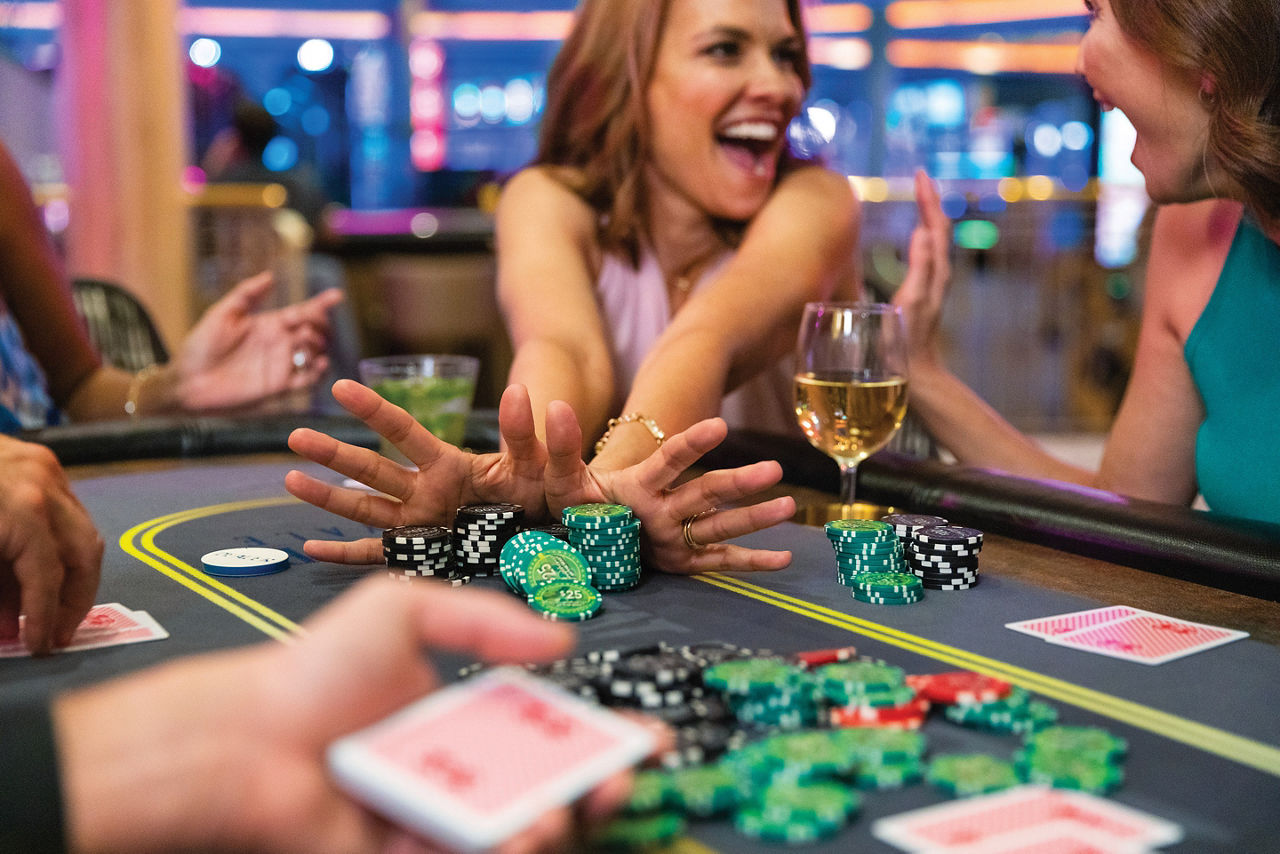
Social contexts play a crucial role in shaping gambling behavior. Many players enjoy the social aspects of gambling, often playing in groups or alongside friends. The excitement of shared experiences can enhance the enjoyment of the game and make it more appealing. Social validation from peers can also affect the amount of money players are willing to wager, as the desire to impress or conform to social norms comes into play.
Additionally, the presence of others can create a sense of competition, which may further motivate players to gamble more aggressively. Social interactions within casinos can reinforce behaviors, as players might feel encouraged to take risks, believing that their friends’ involvement means they are less likely to lose.
Emotions significantly influence how players approach gambling. Players often gamble to escape negative emotions or enhance positive feelings. The excitement and anticipation associated with casino games can temporarily distract from stress or anxiety. This emotional escape can lead to problematic gambling if players begin to rely on it as a coping mechanism.
Conversely, when players experience losses, emotions can drive them to chase their losses, leading to further financial trouble. This cycle of emotion-driven behavior highlights the importance of managing one’s mental state while gambling. Understanding the emotional triggers that lead to such behavior can help players make more informed and healthier choices regarding their gambling habits.
In light of the psychological factors at play, it is essential to promote responsible gambling practices. Educational initiatives aimed at informing players about the risks and realities of gambling can help mitigate problematic behaviors. By raising awareness of cognitive biases and emotional triggers, players can learn to recognize when they are at risk of developing unhealthy gambling habits.
Creating supportive resources that encourage a balanced approach to gambling can foster a healthier relationship with games of chance. Websites focused on employee well-being and work-life balance can provide valuable insights into managing stress and emotional health effectively, which are crucial for making informed choices while engaging in casino games.